
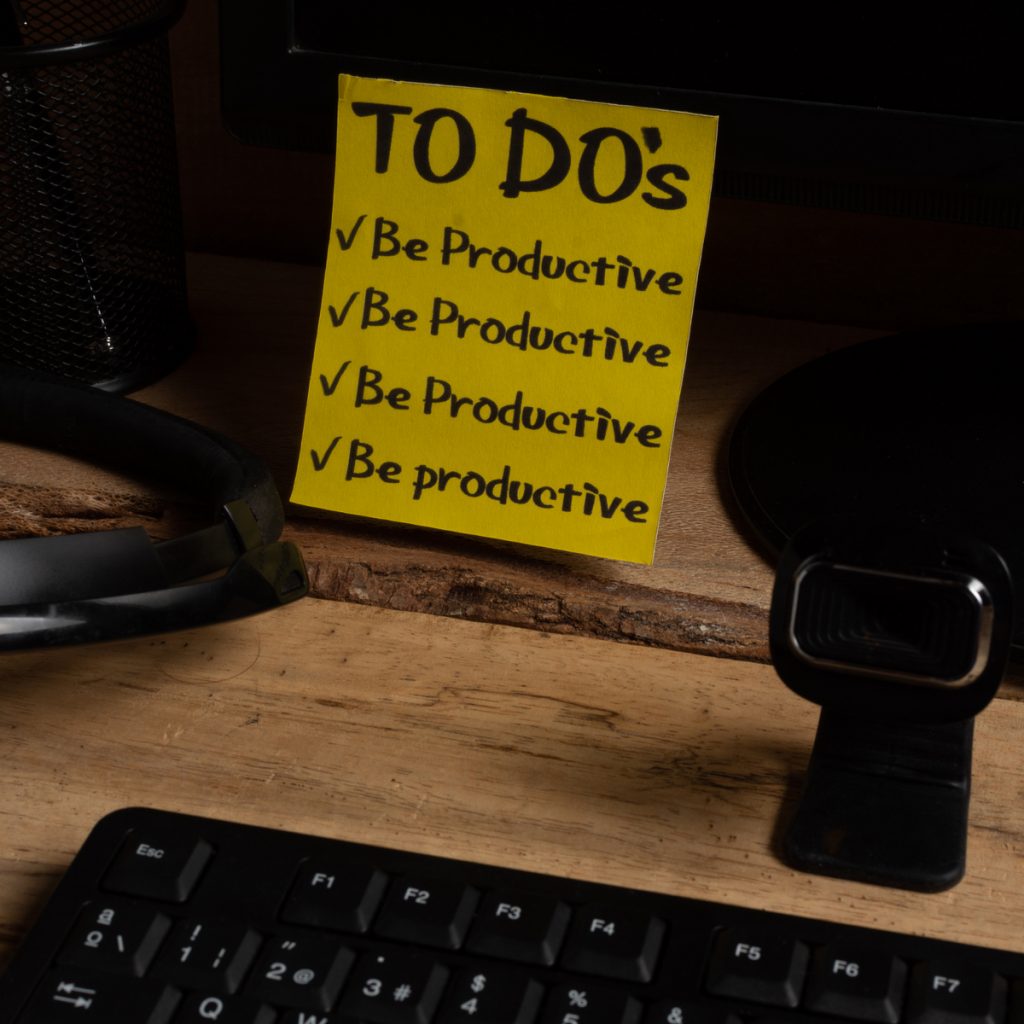
There is a lot of talk about WFH – or working from home at the moment. And based on the level of resistance to returning to the office when “told” to do so, its certain that people want an alternative to the daily commute. But do they really want to be working from home, or is it more complicated?
I suspect that in reality what people really want is twofold. Firstly to work more flexibly, and secondly to avoid the daily commute. Given this, one obvious solution is to work from home. This certainly delivers these two objectives, but is it really the answer?
Throughout my career I have commuted, including one point where I was doing some extreme commuting between Northampton in the UK, and Aarhus in Denmark. and I have worked from home! In my experience, neither scenario was ideal. In my current situation, I live and work in Glossop. My trip to work is 3 minutes by car, or more usually a 20 minute walk. To me, this is “Living the dream”, with the best of both worlds!
Working from home has its downsides
Whilst I don’t feel the need to go into the downside of commuting (Though I do know people who claim to enjoy it!) The reality of “working from home” does invite closer inspection!
Whilst everyone is different, in my experience, working from home has three big downsides:
- Isolation – working in the office environment, you are surrounded by other people, whilst this makes it easy to interact on work matters, it also allows more general interaction. Those so called “Water cooler moments”, where you can chat to others whilst taking a break from work. Whilst zoom and other video meeting systems can go a long way to replacing face to face meetings required to “do your job” they do not replace more informal conversations so important in building rapport, and enhancing the working environment. In reality, working from home can be very isolating!
- The working environment – When working from home, I found the separation of work and home life a challenge! I was lucky enough to have the space to have a dedicated home office, and I would “commute” to that room every day. When I was in the home office I was was “at work”. Anywhere else I was “at home”. This allowed me to separate my work and home life. For many home workers however, this is not the scenario. The “office” is a laptop in the kitchen or dining room table, maybe I am getting old, but for me this is OK for the occasional bit of work that needs doing now, but not an environment that promotes sustained productivity. It can also make it more difficult to create an ergonomically correct environment. Living with a physiotherapist, I know how important this is to health and wellbeing!
- Distractions – Again, I was lucky in this aspect. when I was working at home, other occupants were out at work. But trying to maintain focus, when others are in the house going about their day can be a challenge, especially if you add children into the mix.
All in all, I find working from home on a regular basis a challenge!
The middle ground – The new way of “going to the office”
So if you are not wanting to work 100% from home, and not wanting to commute, what is the alterative. The alternative is finding a new place to work, somewhere where you can engage with others and get those “Water cooler moments”, and that are set up to provide an environment conducive to productive work, and a professional place to meet people should you need to, free from the distractions that can be all too common in the home environment. Somewhere that you can access as and when needed. Historically this place would belong to the company you work for, but it doesn’t need to. Increasingly these facilities are found in business centres, shared offices and co-working spaces. Whilst these are widely used by the likes of Start-ups and freelancers, they provide the perfect working environment for all those more traditional jobs that are now being done “from home”.
To conclude – A prediction
I think when all this washes out, the idea of everyone commuting to a central location to work in a corporate office will be seen as old hat. Central offices will be smaller & more flexible. A place to meet clients and for teams to get together when zoom just doesn’t cut it. I think these offices will be smaller and more importantly cheaper.
By not investing in big central corporate offices, this should free up resources to allow workers to access more flexible facilities close to where they live. Whilst they may not be appropriate all the time – even for me working from home occasionally is a great option – they would add useful flexibility to the mix.
In closing, I think its is worth highlighting the fact that this scenario works for part of the workforce, if you are in a job where you are working with “things”, whether manufacturing or distributing them then the traditional, central model may be here to stay. But for everyone else a more de-centralised model may be the future.
As for the city centre infrastructure (Cafes, bars shops and the like) that are now struggling as people avoid the commute. In reality, their customers still exist and still want these services. They have just moved. I am sure that the smart business will follow them!
